The science of chance
Scientific studies on lotteries, explained simply and checked against our own data: auditing the draws, how players pick numbers, how prizes are shared.
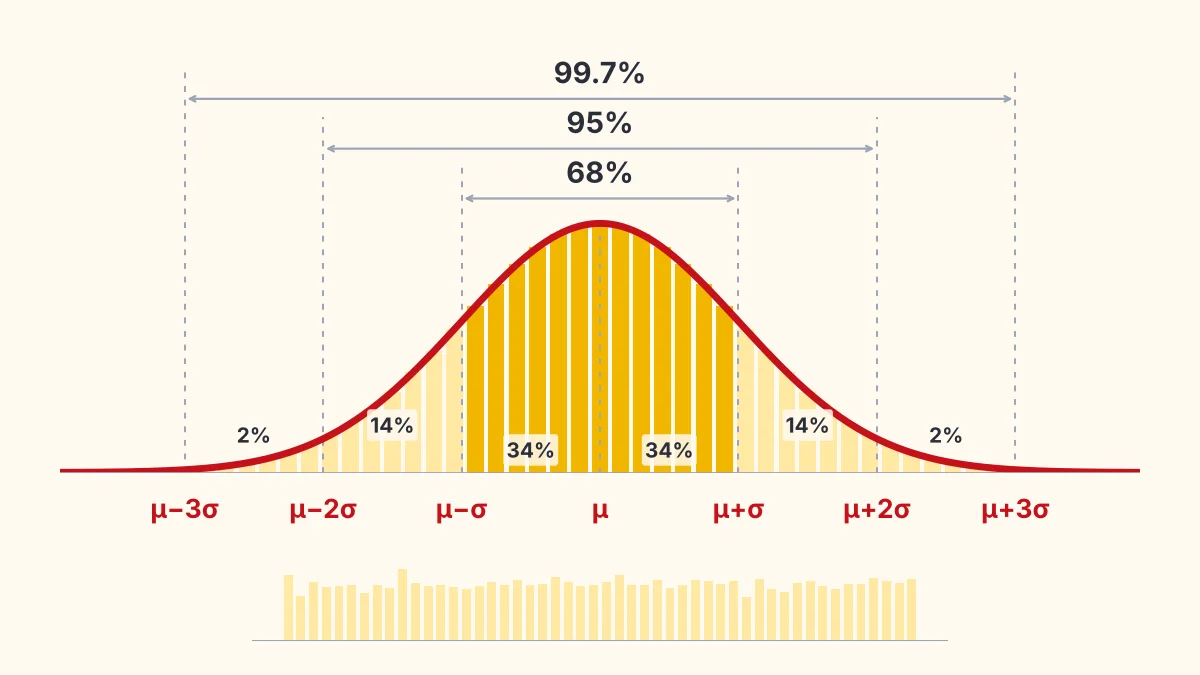 Our analysisThe Eurojackpot bell curve: does the "central range" of sums help? Our test on 1,001 drawsThe sum of the 5 Eurojackpot numbers usually falls between 89 and 166. Does that mean you should only play such tickets? The figures from every draw since 2012, a backtest with real prize amounts, and what really makes a difference.
Our analysisThe lottery bell curve: we tested the "central range" on 1,430 Powerball drawsPlay tickets whose sum falls in the middle of the bell: the idea circulates on forums and in paid software. Our backtest on every Powerball draw since 2015, and what really changes the outcome.
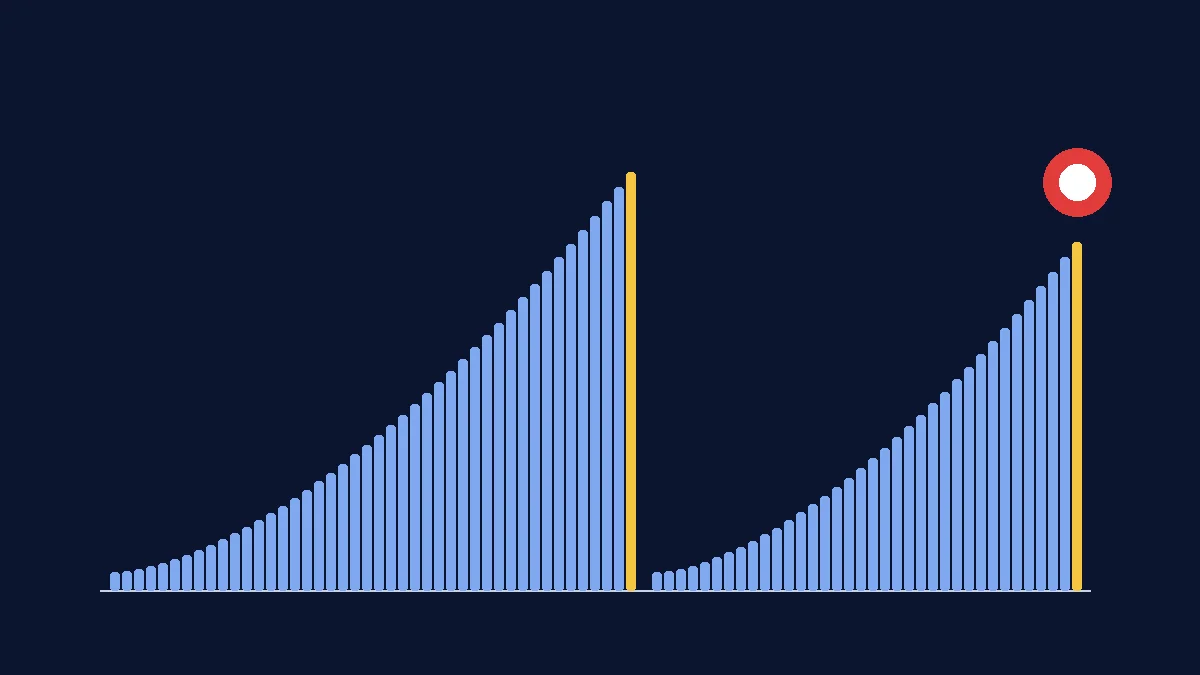 Our analysisPowerball: $847m in New Jersey – why US jackpots climb so highA single ticket sold in Montvale wins $847m on 4 November 2026, less than three months after $1.04bn in Illinois. Odds, annuity, UK sales: what drives the jackpots, based on our data.
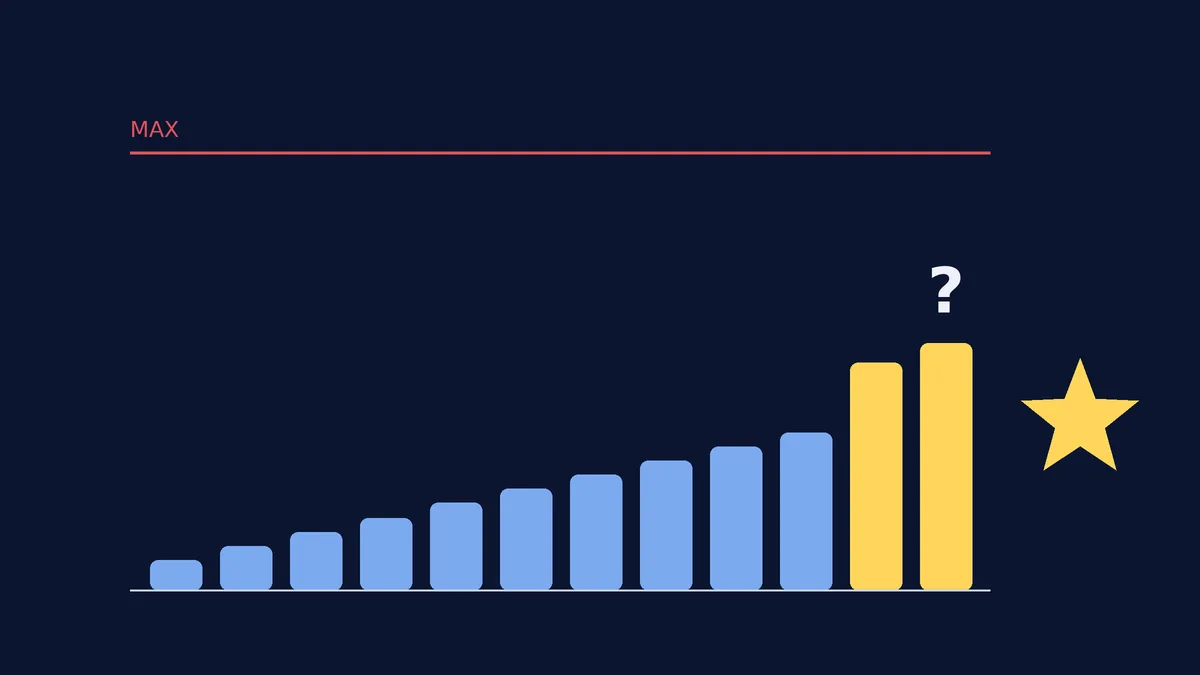 Our analysisEuroMillions: €141m and still no winner – what 22 years of jackpots show10 draws without a winner and a €130m Mega Jackpot not won: how the EuroMillions jackpot grows, its cap, and the longest rollover runs since 2004, from our data.
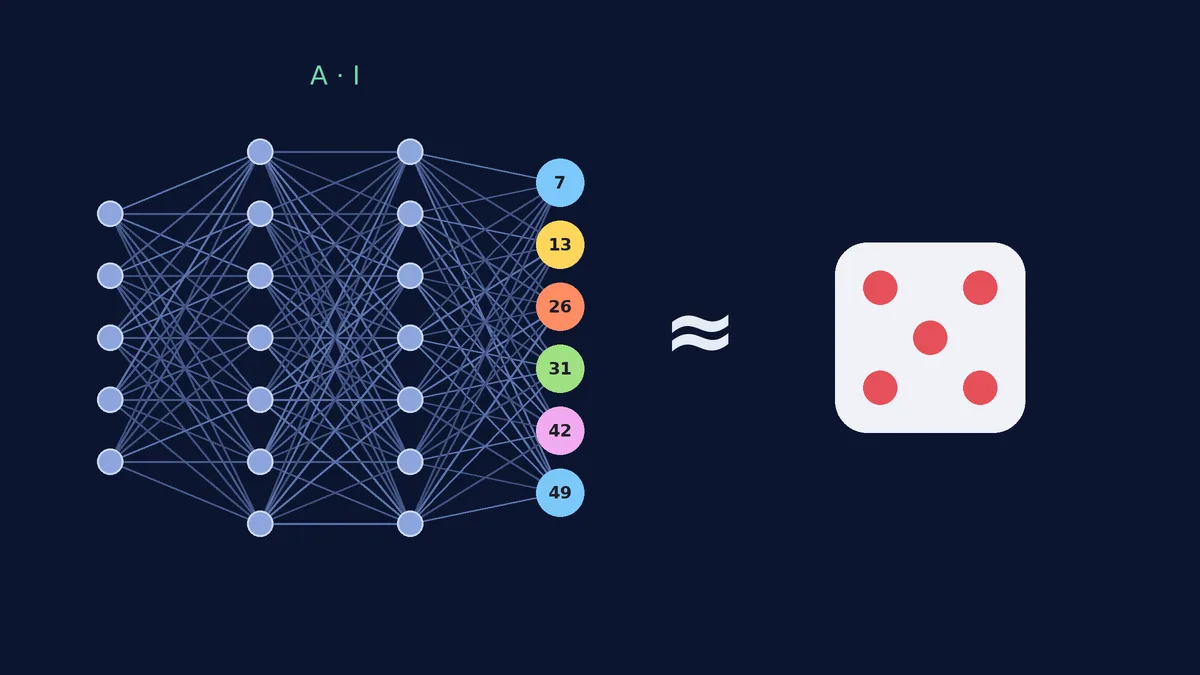 Our analysisAI and the lottery: what the studies really showNeural networks, LSTM, “AI that predicts the lottery”: what published studies show, and our own test of two machine-learning models on 70 years of Lotto 6aus49, EuroMillions and Eurojackpot.
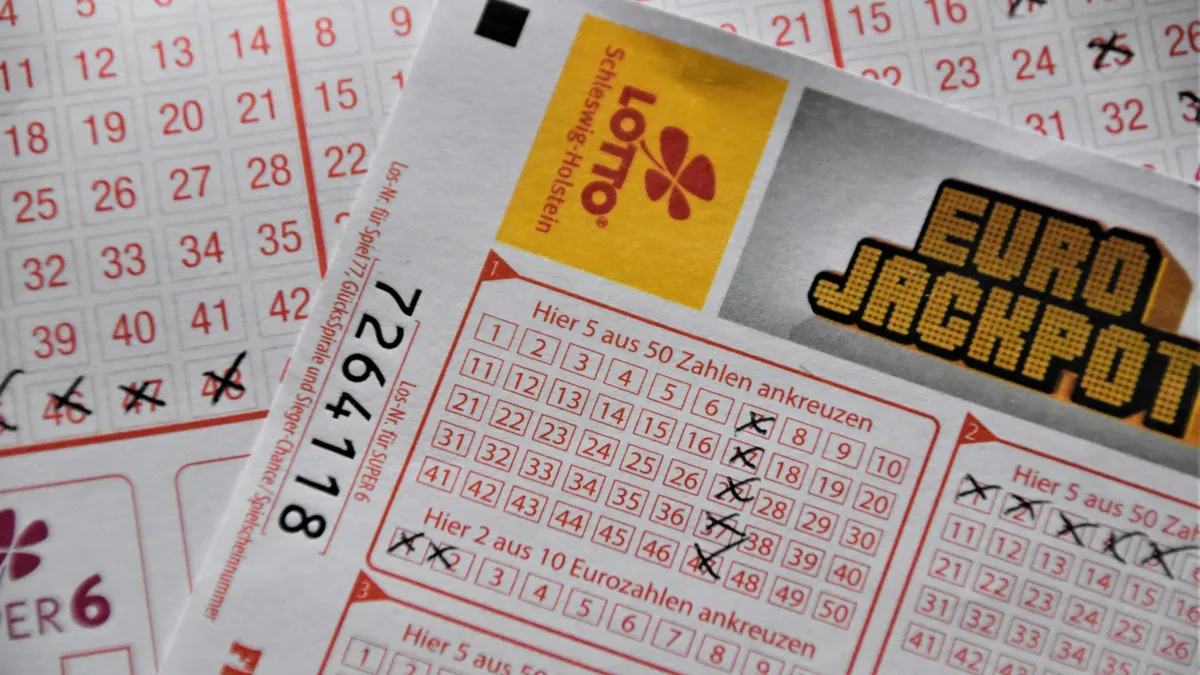 Our analysisSystem bets: how much do 6 or 7 numbers improve your odds?EuroMillions, Eurojackpot, Lotto 6aus49 and 30 lotteries: lines and cost with 1 or 2 extra numbers, jackpot odds and the chance of winning anything, calculated exactly.
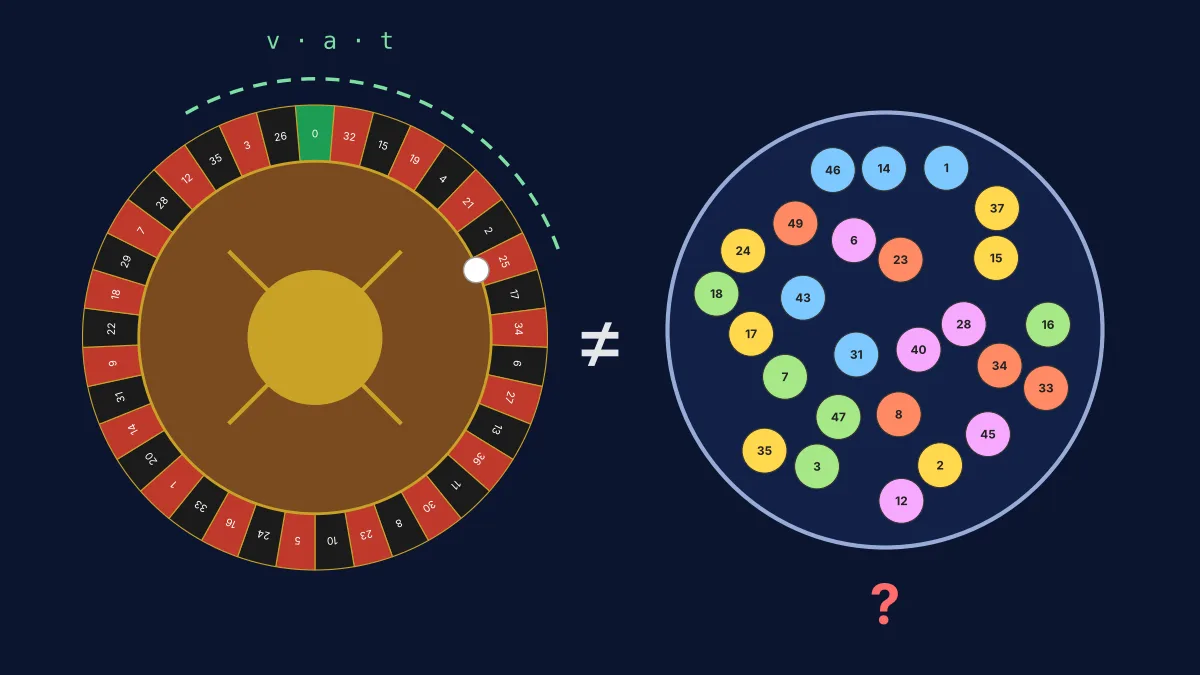 Our analysisCan you predict the winning numbers? The people who really beat chanceRoulette, scratch cards, rigged balls: a few people have truly beaten games of chance. How they did it, why it fails for lotteries, and our test on 20 years of EuroMillions.
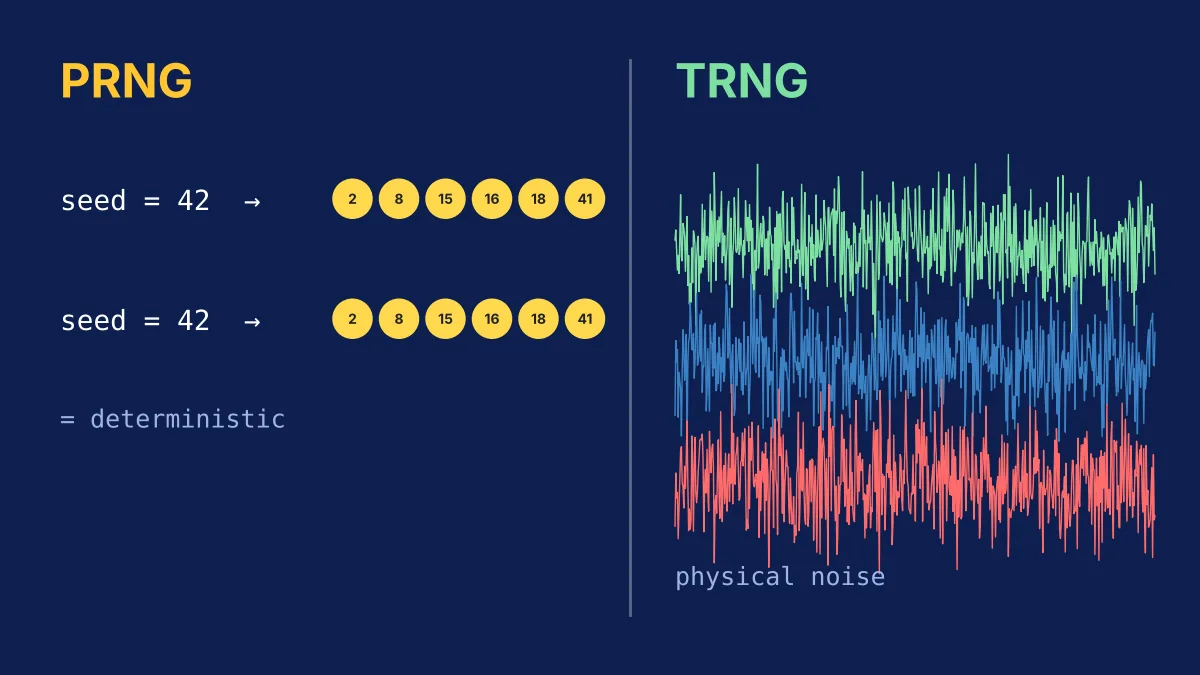 ExplainedDoes true randomness exist? PRNG, TRNG and lottery ballsA computer cannot produce true randomness on its own. How pseudo-random generators, true random generators and lottery balls work, and what it means for you.
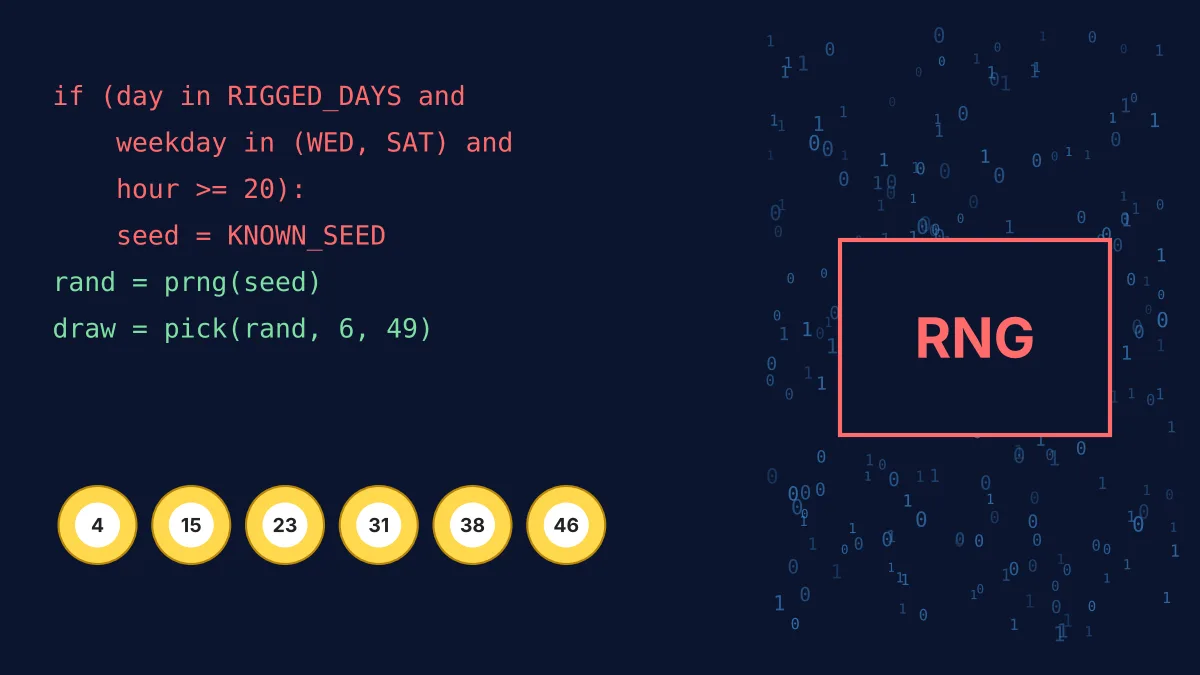 BackgroundCan a lottery be rigged? The Eddie Tipton caseThe security director of a US lottery planted code in the random number generator and collected millions. What the case shows, and why statistics alone would not have caught it.
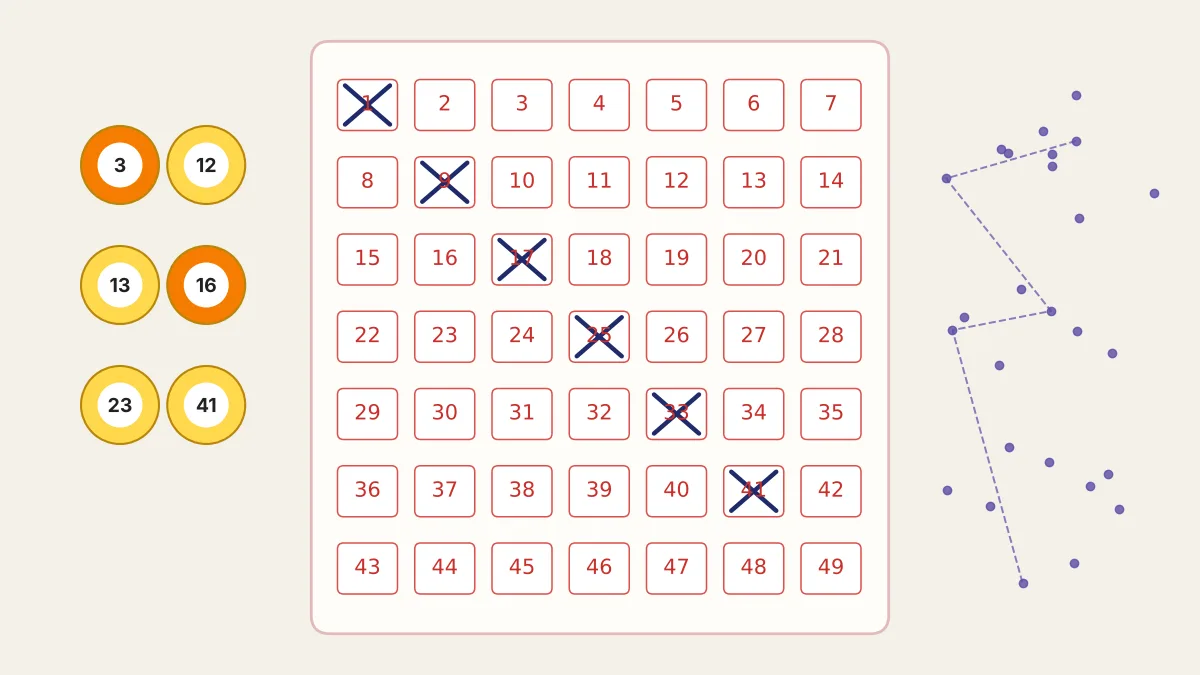 Our analysisPatterns in chance: why we see them and what 6,568 draws sayHot numbers, overdue numbers, diagonals on the slip: we tested the most common lottery patterns on 70 years of Germany's LOTTO 6aus49 and compared them with research.
 Our analysisDifferent machine, different numbers? Draw machines and ball sets put to the testDo the draw machine or the ball set change the numbers? We analysed 3,262 UK Lotto draws and Germany's new LOTTO machines from 2023.
 Physica A, 2008Can you audit a lottery? A statistical test on our drawsA test published in Physica A (2008) failed two periods of draws in Mexico and Italy. We applied it to LOTTO 6aus49, Eurojackpot, the French Loto and UK Lotto.
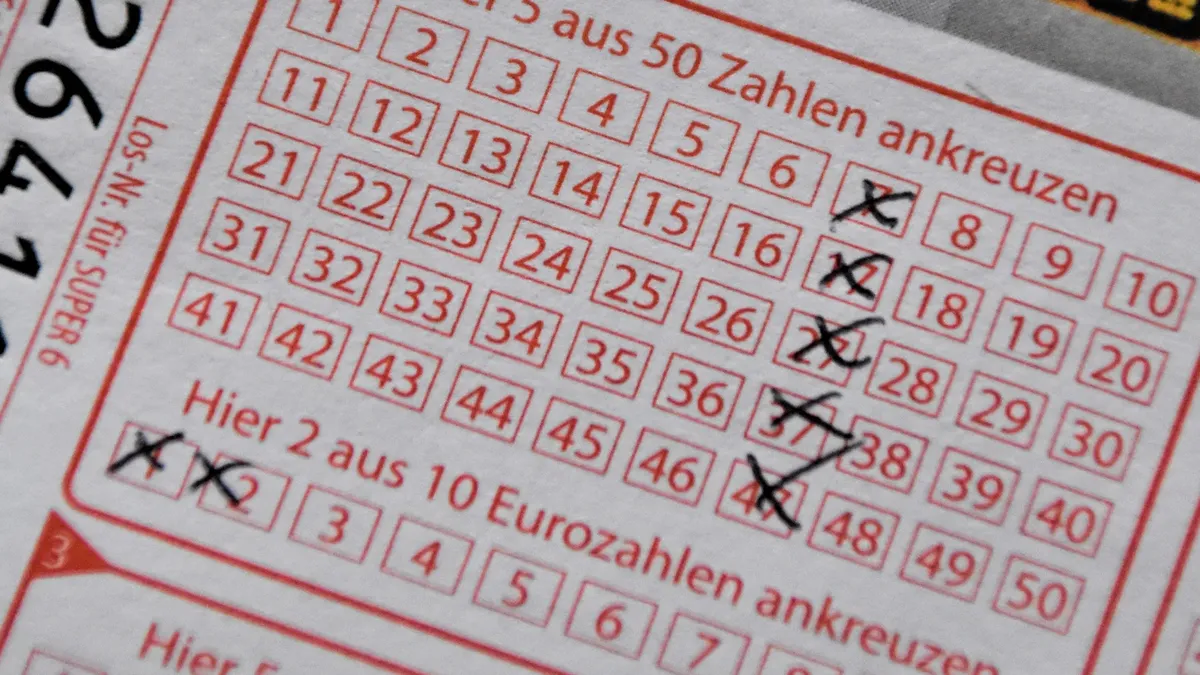 J. Royal Statistical Society, 2009538 winners instead of 90: when everyone plays the same numbersPlayers don't pick numbers at random: shown on 1,087 draws of Germany's LOTTO 6aus49, following Baker & McHale (Royal Statistical Society, 2009).
 Judgment and Decision Making, 2016Why lottery players don't really pick at random5 million tickets analysed: 11, 7, birthdays and the middle of the play slip. The study by Wang et al. (2016) explained simply.
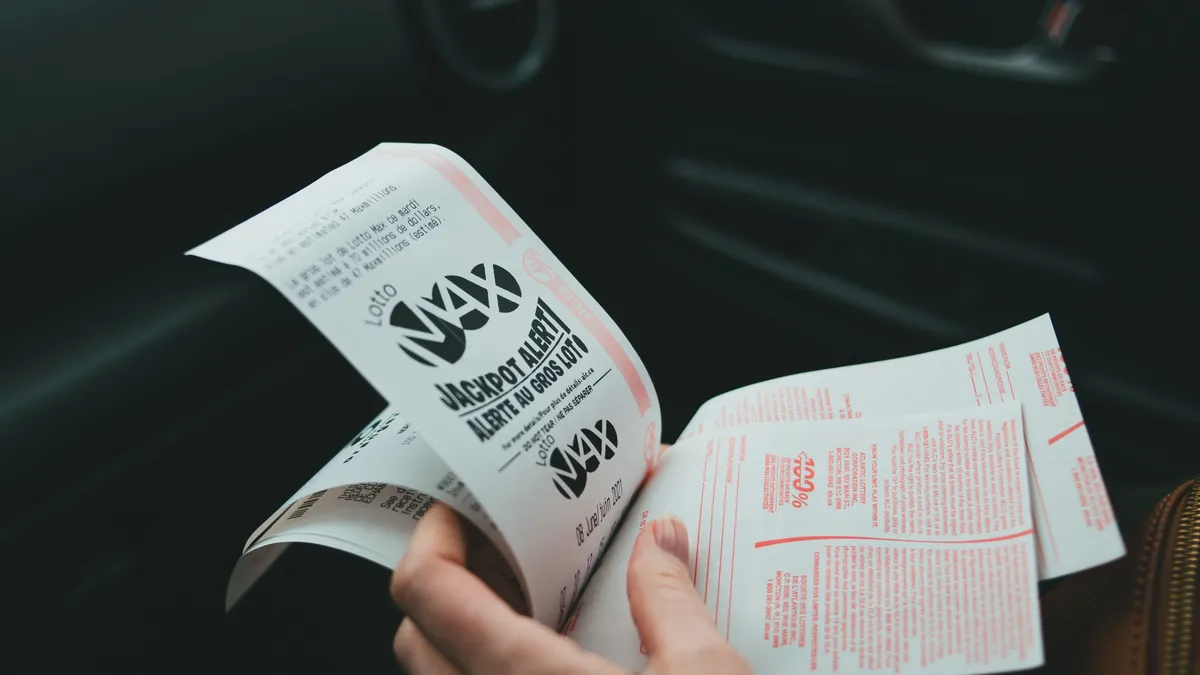 True storiesWinner stories: forgotten tickets, a record jackpot, a first-ever LotoTrue stories of lottery winners in Germany and France, based on the lotteries' official press releases, with our own data.